


Virginia Cedarwood Oil
Virginia cedarwood oil from eastern redcedar (Juniperus virginiana), sourced from rangeland clearing, culled timber trees and sawmill residue, and distilled and redistilled in Leakey, Texas.
The classic pencil cedar: softer, sweeter and less smoky than Texas cedarwood. Samples and documentation on request.
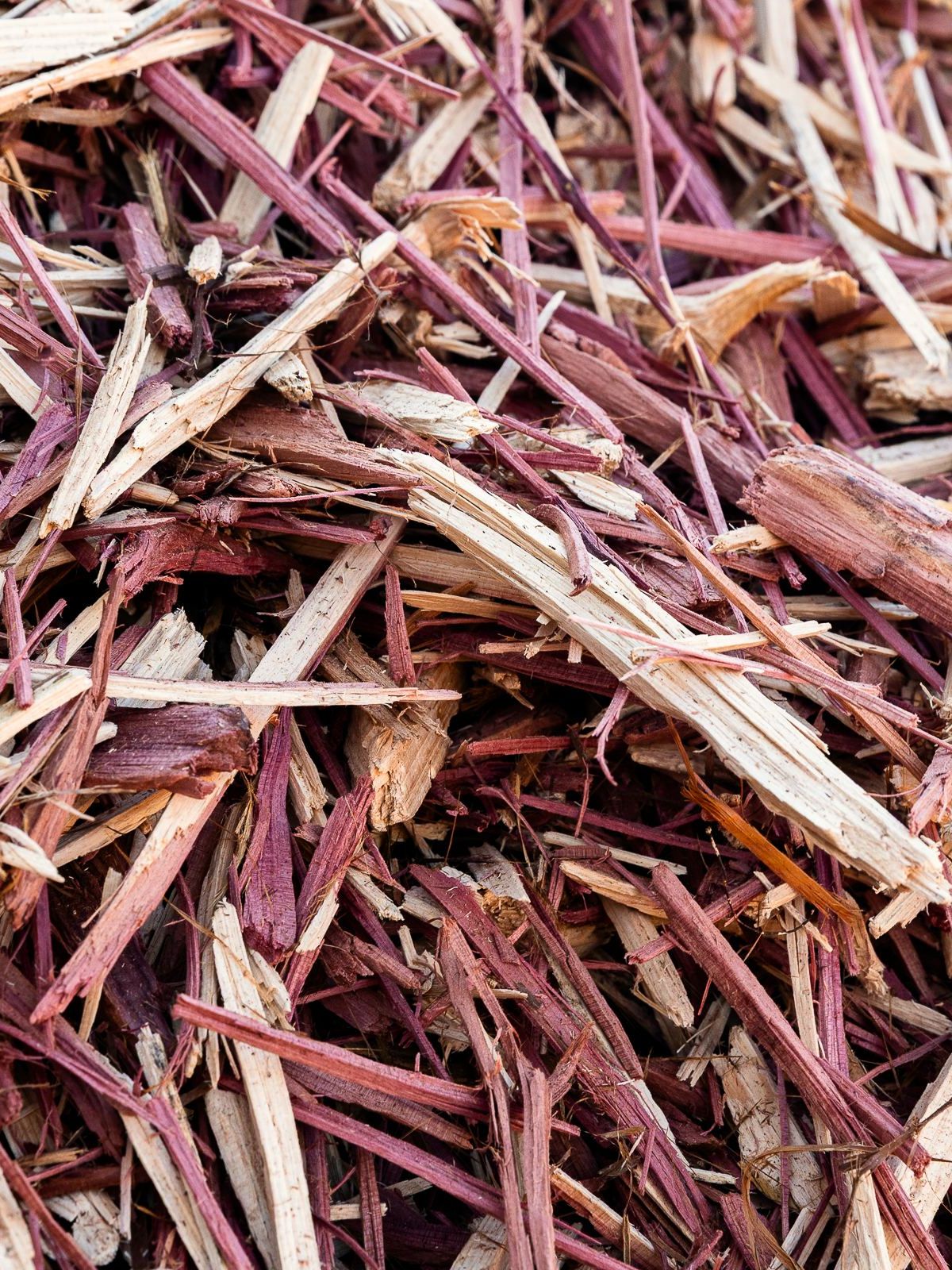
Ingredient card
Virginia Cedarwood Oil
- Botanical name
- Juniperus virginiana
- Family
- Cupressaceae (cypress family)
- Common names
- Eastern redcedar, Virginia cedar
- Origin
- Texas, about 200 miles east of Leakey
- Part used
- Logs too rotten or damaged for lumber, rangeland clearing, culled timber trees and sawmill residue
- Extraction
- Steam distillation, always redistilled
- Distilled at
- Leakey, Texas
- CAS number
- 8000-27-9
- Key constituents
- α-Cedrene, thujopsene, cedrol
- Certification
- Kosher (Leakey, Texas facility)
Typical information. The specification, safety data sheet and certificates for each lot are available on request.
For buyers
Buying Information
Prices depend on grade, quantity and destination. Tell us what you need and we will reply within two business days.
- Grades available
- Redistilled
- Custom specifications
- Available: we match your specification using fractions of the same oil
- Samples
- Available, with the specification
- Minimum order
- On request
- Packaging sizes
- On request
- Typical lead time
- On request
- Packaging
- Sealed Texarome drums
- Documentation
- COA for each lot, specification sheet, SDS, allergen statement, IFRA conformity, statement of origin, kosher certificate (Leakey, Texas facility)
Minimum orders, packaging sizes and lead times depend on the grade; we confirm them with every quote.
Olfactory profile
How It Smells
The classic pencil cedar: softer, sweeter and less smoky than Texas cedarwood.
- Pencil cedar
- Smooth wood
- Gently sweet
- Balsamic
Clean, soft wood; the sharp, piney first cut is removed in redistillation.
Smooth, gently oily-sweet pencil cedar.
A mild, balsamic dry-down with good tenacity.
In perfumery
Soft woody bases, fresh and aromatic masculines, cosmetic and toiletry fragrance, and natural products that want a gentle cedar.
Pairs well with
Citrus, lavender, rosemary, vetiver, soft musks
A Second Cedar Note
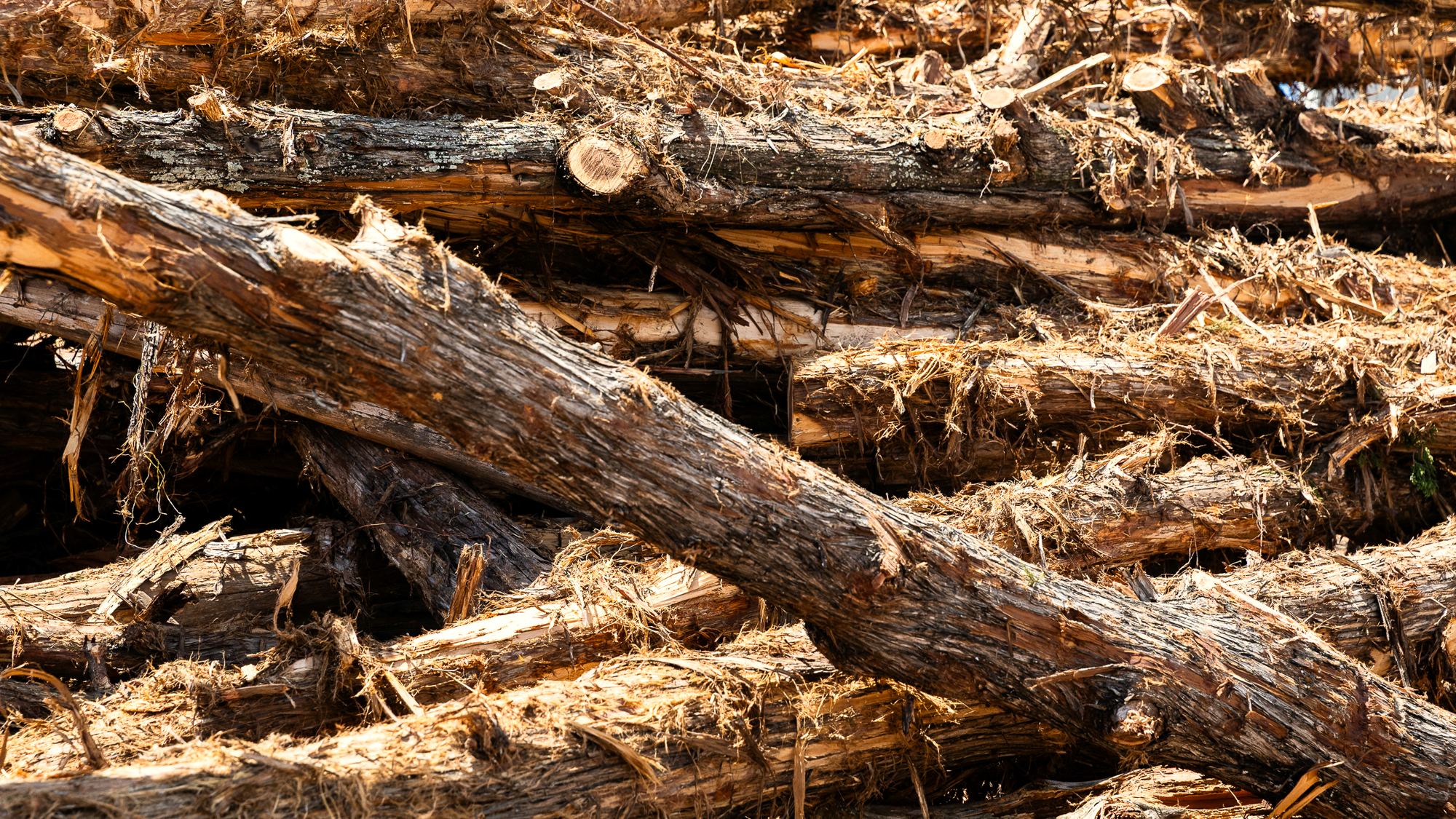
Virginia cedarwood is named for the tree, not the state: eastern redcedar grows across much of eastern North America, Texas included. Ours is Texas wood, about 200 miles east of Leakey: logs too rotten or damaged for the lumber and furniture trades, with wood from rangeland clearing, culled timber trees and sawmill residue, bought from five to ten independent contractors.
Redcedar was once the pencil maker's wood, which is why perfumers still call its scent the pencil cedar note.
We distill it in Leakey and always redistill it, removing the first, pinene-rich cut for a smoother, cleaner cedar. Its deeper color and fuller body give formulators a second, distinct cedar note.
Further reading
The Research Behind It
Independent studies on the land and the plant. Links open the original source.
- Grassland ecology
Briggs, J. M. et al. (2005). An ecosystem in transition: causes and consequences of the conversion of mesic grassland to shrubland. BioScience 55(3): 243–254.
A long-term study of how eastern redcedar and shrubs take over tallgrass prairie when fire is suppressed.
Read the source (opens another website in a new tab) - Soil and grasses
Bennion, L. D. and Ward, D. (2022). Plant–soil feedback from eastern redcedar (Juniperus virginiana) inhibits the growth of grasses in encroaching range. Ecology and Evolution 12: e9400.
Redcedar changes the soil around it in ways that hold back native grasses.
Read the source (opens another website in a new tab) - Land management
Twidwell, D., Fogarty, D. T. and Weir, J. R. (2021). Reducing Woody Encroachment in Grasslands: A Guide for Understanding Risk and Vulnerability. University of Nebraska–Lincoln Extension, EC3076.
A practical guide for landowners, with eastern redcedar as its main example.
Read the source (opens another website in a new tab) - Forest inventory
Liknes, G. C., Meneguzzo, D. M. and Nimerfro, K. (2015). Woody encroachment in the Central United States. USDA Forest Service, Gen. Tech. Rep. PNW-GTR-931.
Forest inventory data show woody species, eastern redcedar among them, spreading across the central US.
Read the source (opens another website in a new tab)